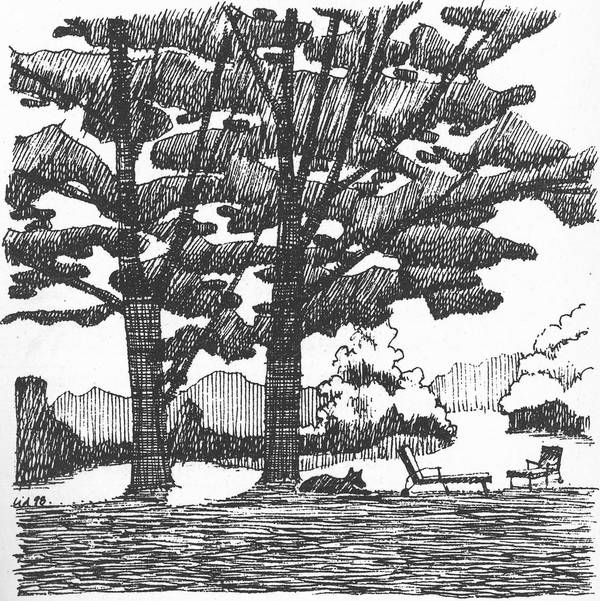
There are three big windows that go from floor to ceiling on the south side of my cabin. I like to sit in the brown leather chair in the twilight of winter evenings and watch birds at the feeder that stretches across them. The windows were a gift from my husband before he left the last time. He had come and gone before, and we were not sure that this would be the last time, although I suspected that it was.
I have lived here in the Ozark Mountains of southern Missouri for twelve years now, and for most of that time I have been alone. I have learned to run a business that we started together, a commercial beekeeping and honey-producing operation, a shaky, marginal sort of affair that never quite leaves me free of money worries but which allows me to live in these hills that I love.
My share of the Ozarks is unusual and striking. My farm lies two hundred and fifty feet above a swift, showy river to the north and a small creek to the south, its run broken by waterfalls. Creek and river join just to the east, so I live on a peninsula of land. The back fifty acres are covered with second-growth timber, and I take my firewood there. Last summer when I was cutting firewood, I came across a magnificent black walnut, tall and straight, with no jutting branches to mar its value as a timber tree. I don’t expect to sell it, although even a single walnut so straight and unblemished would fetch a good price, but I cut some trees near it to give it room. The botanic name for black walnut is Juglans nigra—“Black Nut Tree of God,” a suitable name for a tree of such dignity, and I wanted to give it space.